You brush your teeth every day, use dental floss and have no dental pain. So why would you still need professional teeth cleaning?
It is a very common question.
Good oral hygiene at home is essential, but it may not completely remove biofilm, plaque and especially tartar that builds up in areas that are difficult to reach.
For this reason, professional dental cleaning should not be seen only as a cosmetic treatment. It is an important part of preventive dental care.
Let’s look at how often you may need professional cleaning, why it matters and which signs may indicate that it is time to book an appointment.
What Is Professional Teeth Cleaning?
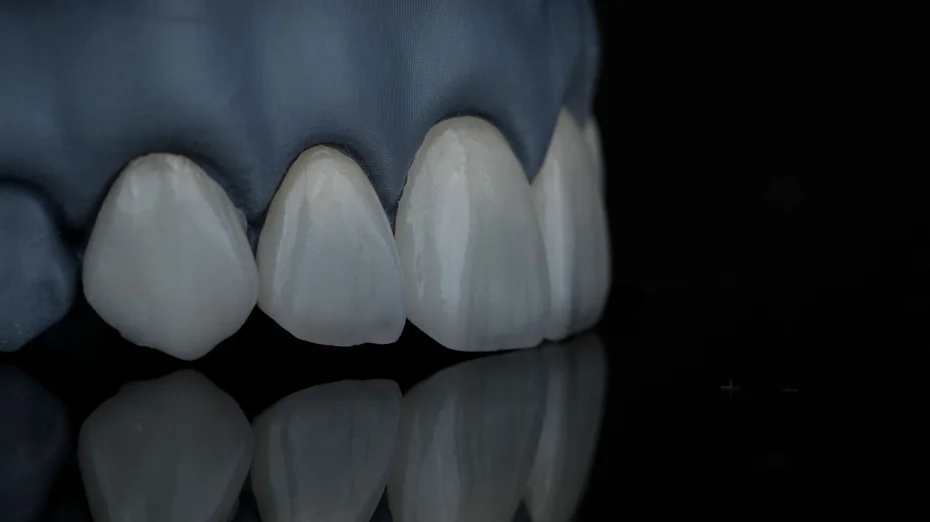
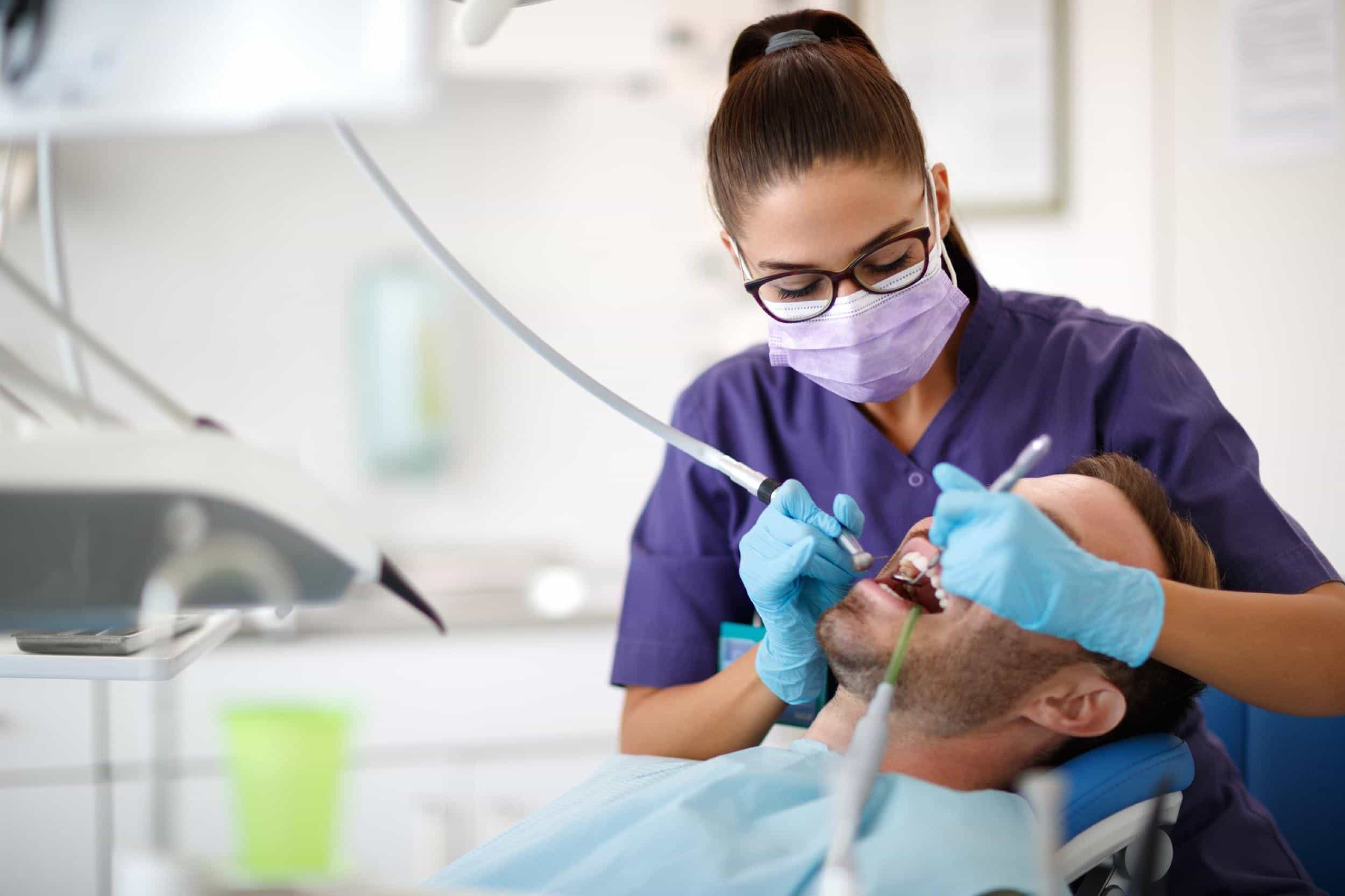
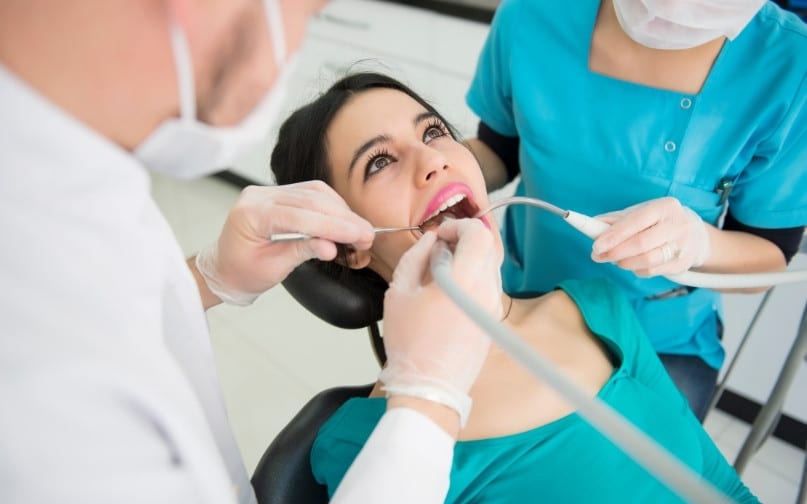
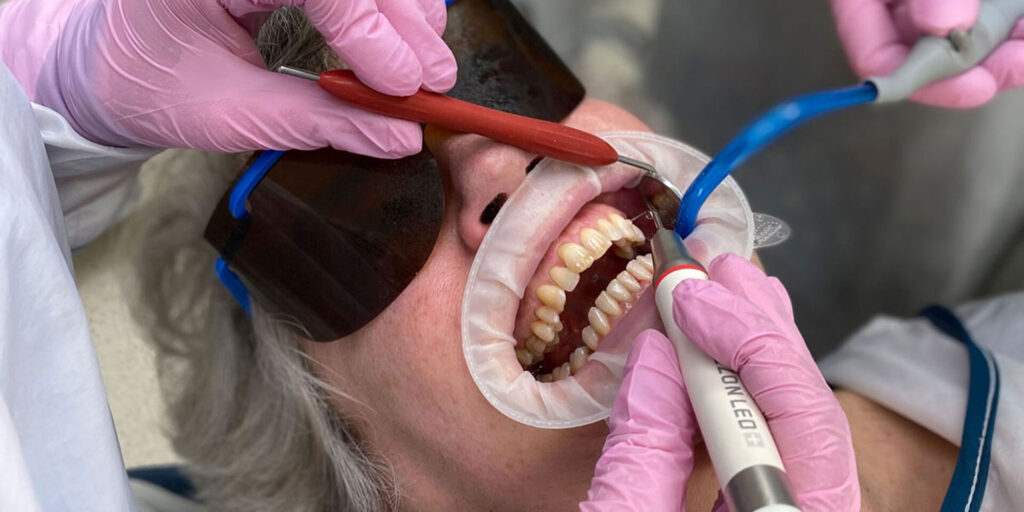
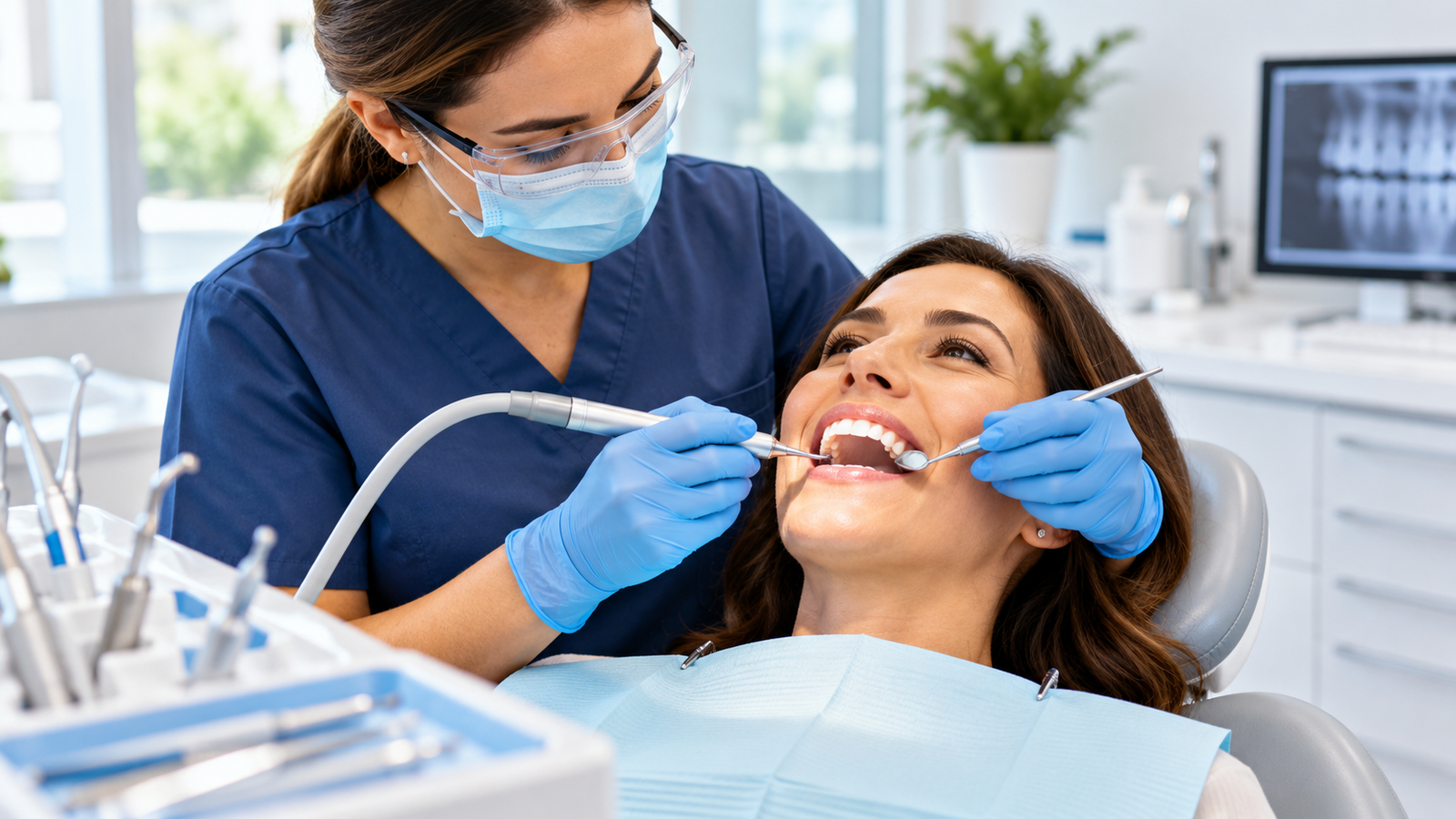
Professional dental cleaning is designed to remove deposits that accumulate on the teeth and around the gums.
During a professional hygiene appointment, the dental team may remove:
- bacterial biofilm;
- plaque;
- tartar;
- surface stains;
- deposits from difficult-to-reach areas.
The goal is not simply to make the teeth look cleaner.
Professional hygiene also helps control factors that may contribute to gum inflammation and other oral health problems.
How Often Should You Have Your Teeth Professionally Cleaned?
There is no perfect schedule that applies to everyone.
Many people have professional dental hygiene approximately every 6-12 months, but the ideal interval should be personalized according to the condition of the mouth.
Some patients may need more frequent appointments.
The recommended interval can depend on:
- the amount of biofilm and tartar buildup;
- gum health;
- daily oral hygiene;
- orthodontic appliances;
- implants or dental restorations;
- smoking;
- previous gum or periodontal problems.
Your dentist or dental professional can recommend a recall schedule based on your individual needs.
Do I Still Need Professional Cleaning if I Brush My Teeth Properly?
Yes.
Brushing is essential, but some areas of the mouth are more difficult to clean properly.
These include:
- spaces between the teeth;
- the gumline;
- back teeth;
- areas around orthodontic appliances and restorations.
In addition, once plaque mineralizes and becomes tartar, regular brushing cannot remove it effectively.
This is where professional dental hygiene becomes important.
What Is Dental Biofilm?
Dental biofilm is a community of microorganisms that adheres to surfaces inside the mouth.
It can develop on:
- teeth;
- gums;
- the tongue;
- dental restorations;
- orthodontic appliances;
- implants.
Biofilm is not always easy to see.
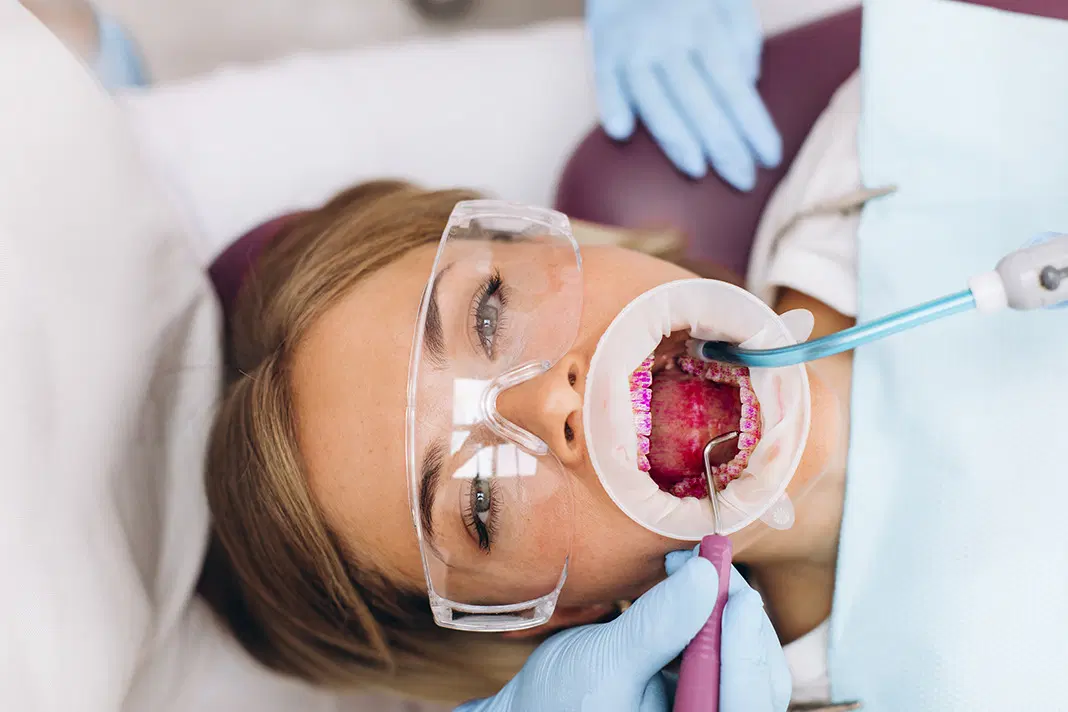
This is one reason modern professional protocols such as Guided Biofilm Therapy can use a disclosing agent to make biofilm visible.
Once identified, the dental professional can more precisely target the areas that require attention.
What Signs Suggest You May Need a Professional Cleaning?
You do not need to wait until something hurts.
Some signs worth paying attention to include:
Bleeding Gums
If your gums frequently bleed when brushing or flossing, inflammation may be present.
Persistent Bad Breath
The accumulation of bacteria and biofilm can contribute to unpleasant breath.
Visible Tartar
Hard deposits, particularly around the gumline or behind the lower front teeth, may indicate tartar buildup.
Surface Staining
Coffee, tea, wine, tobacco and other factors can contribute to staining on the surface of the teeth.
Rough-Feeling Teeth
After professional cleaning, tooth surfaces often feel smoother and cleaner.
Does Professional Teeth Cleaning Hurt?
One reason some people delay professional hygiene appointments is fear of discomfort.
Sensitivity during treatment varies from person to person and may depend on gum health and the amount of buildup present.
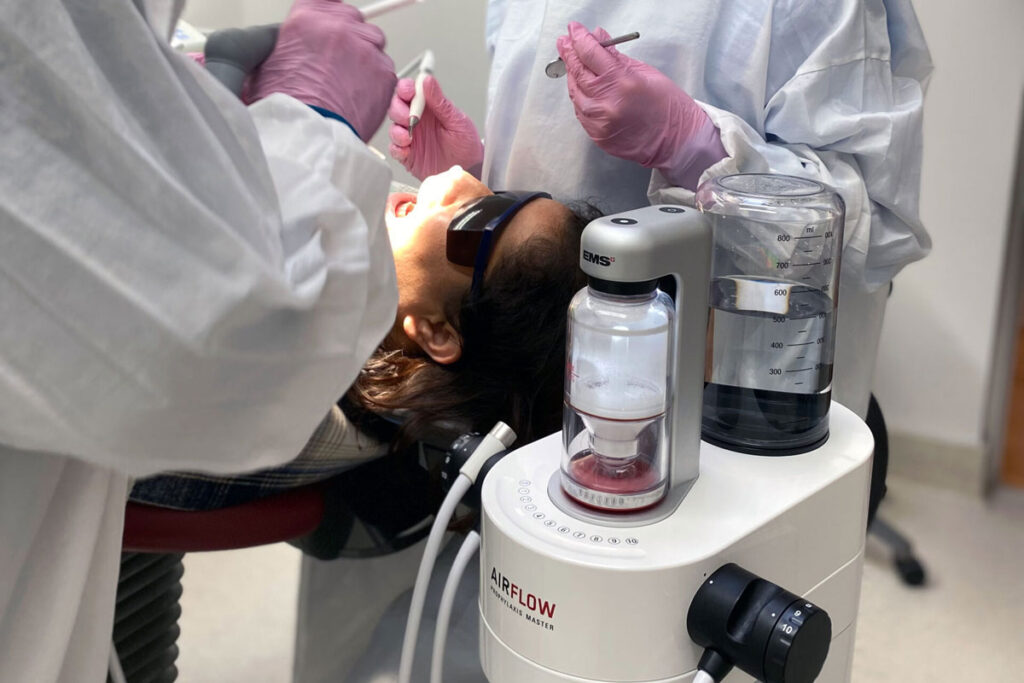
Modern dental hygiene protocols, however, are designed to make treatment more comfortable and less invasive.
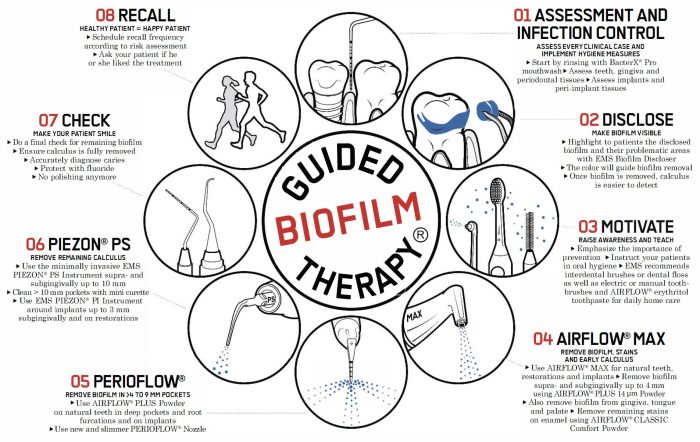
What Is Guided Biofilm Therapy?
Guided Biofilm Therapy, or GBT, is a modern professional oral hygiene protocol focused on identifying and systematically removing dental biofilm.
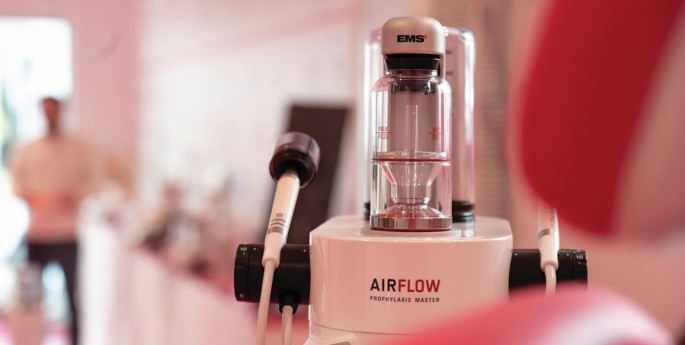
Depending on the patient’s clinical needs, the protocol can use technologies including AIRFLOW®, PERIOFLOW® and PIEZON®.
One of the distinctive features of GBT is that biofilm can first be disclosed and made visible.
This helps the dental professional identify and treat the areas where biofilm is actually present.
Is Traditional Dental Cleaning the Same as GBT?
The overall goal is similar: keeping the teeth and gums clean and healthy.
The main difference is the approach.
Guided Biofilm Therapy follows a structured protocol with particular attention to:
- identifying biofilm;
- educating and motivating the patient;
- targeted removal of deposits;
- minimally invasive techniques;
- patient comfort;
- personalized maintenance.
This does not mean every patient receives exactly the same procedure.
Treatment should always be adapted to individual oral health needs.
What About Coffee, Tea and Smoking Stains?
Surface stains can develop gradually.
Drinks such as:
- coffee;
- tea;
- red wine;
and habits such as smoking can contribute to tooth discoloration.
Professional hygiene can help remove many superficial stains.
However, it is important to understand the difference between professional cleaning and teeth whitening.
Dental cleaning removes deposits and surface staining.
Professional whitening, on the other hand, is designed to lighten the actual shade of the teeth.
Why Waiting for Pain Is Not a Good Strategy
Many gum problems can begin without causing obvious pain.
Waiting until a tooth hurts before visiting a dentist is therefore not an effective prevention strategy.
Regular dental examinations and hygiene appointments can help identify changes at an earlier stage.
That is the purpose of preventive dentistry: addressing potential problems before they become more complex.
How to Maintain the Results at Home
Professional cleaning is only one part of good prevention.
At home, it is important to:
- brush at least twice a day;
- use fluoride toothpaste;
- clean between the teeth every day;
- follow the brushing technique recommended by your dental professional;
- keep orthodontic appliances or dental devices clean;
- attend recommended dental check-ups and hygiene appointments.
Combining daily oral hygiene with professional care provides a more effective approach to maintaining oral health over time.
When Was Your Last Professional Teeth Cleaning?
If you cannot remember your last professional hygiene appointment, it may be a good time to check the health of your teeth and gums.
At GBT Clinic by Dr. Duro, prevention is at the heart of the patient experience.
Through Guided Biofilm Therapy, oral hygiene is approached with a modern protocol focused on biofilm removal, comfort and long-term maintenance.
Book your professional hygiene appointment and discover a modern, gentle way to care for your smile.